5 Hidden Costs of Ignoring Industrial Automation in Malaysia’s Competitive Market

In Malaysia’s fast-changing industrial sector, competition grows fiercer each year. While many forward-thinking businesses are embracing industrial automation to stay ahead, some continue to rely on outdated manual processes. Unfortunately, ignoring industrial automation doesn’t just mean missing out on new technology — it often results in hidden costs that quietly drain profits and limit long-term growth. Here’s a closer look at what’s really at stake.

Industrial Automation in 2025: Expert Predictions You Can't Ignore


Unseen Labour Expenses Without Industrial Automation Solutions in Malaysia

Labour costs are a significant burden for businesses, especially when relying heavily on manual operations. Companies without industrial automation often face higher expenses tied to overtime, recruitment, and training to meet production targets. These costs accumulate quietly over time, eroding profit margins. Engaging an automation company in Malaysia to implement tailored industrial automation solutions helps reduce manual workloads, streamlining operations and ensuring that skilled workers are only deployed where truly necessary. This strategic shift not only saves money but also improves workforce productivity.


Missed Opportunities in Production Planning Without Smart Manufacturing

Without industrial automation, production planning often relies on spreadsheets, manual inputs, and outdated tracking systems. This creates a breeding ground for errors such as overproduction, stockouts, or scheduling conflicts — each carrying its own hidden costs. Smart manufacturing, driven by integrated industrial automation, enables Malaysian businesses to synchronise production planning with actual demand. By adopting these best practices, companies avoid excessive inventory holding costs and reduce the risk of late deliveries, safeguarding both reputation and revenue.


Rising Utility Bills Without an Energy Management System

Energy is a major operational expense, yet many facilities still lack a dedicated energy management system. Without real-time monitoring and automated controls, machinery often consumes more electricity than necessary, resulting in inflated utility bills that silently chip away at profits. By incorporating an energy management system into industrial automation frameworks, businesses in Malaysia gain the ability to identify inefficiencies and optimise energy use. This proactive approach not only lowers costs but also supports environmental commitments, increasingly important in global supply chains.


How to align labor with automation for optimal factory efficiency | Indeavor posted on the topic | LinkedIn


Hidden Maintenance Costs Without an Asset Management System

Many companies continue to follow reactive maintenance models, only addressing machine issues once problems arise. This approach leads to unplanned downtime, rushed repairs, and often more costly fixes. Integrating an asset management system within an industrial automation setup transforms maintenance from reactive to predictive. Malaysian businesses leveraging such systems can schedule repairs before failures occur, extending equipment lifespan and avoiding the hidden financial impact of unexpected breakdowns. Learn more here!


Falling Behind on IoT Advancements in Industrial Automation

IoT is revolutionising industrial automation by connecting machines, sensors, and systems, offering valuable real-time insights. Companies in Malaysia that fail to adopt IoT-enabled solutions miss opportunities to predict demand shifts, monitor machine health, and adjust processes instantly. This lack of visibility can result in overproduction, underutilisation of assets, or late problem detection — all of which carry hidden costs. Embracing the best IoT-integrated industrial automation solutions empowers businesses to operate with data-driven precision.


Industrial Internet of Things (IIoT) & Industry 4.0 | Newark


Why Engaging the Best Automation Company in Malaysia is Essential

Addressing these hidden costs requires more than just buying new equipment. It involves partnering with the best automation company in Malaysia that understands specific operational challenges and can deliver tailored industrial automation solutions. From integrating smart manufacturing systems to deploying IoT platforms, experienced partners ensure businesses get the right mix of technologies for maximum impact, helping protect profit margins and maintain competitive strength.


Safeguarding Malaysia’s Industrial Future Through Smart Manufacturing and Automation

Ultimately, ignoring industrial automation is a costly gamble that few Malaysian companies can afford. By proactively investing in smart manufacturing, energy management systems, asset management systems, and IoT-enabled solutions, businesses not only cut hidden expenses but also strengthen their resilience in an unpredictable market. Industrial automation is no longer just a pathway to efficiency — it’s a vital strategy for safeguarding long-term profitability and securing Malaysia’s position in the global industrial landscape.

Hand vs. Machine Embroidery: Choosing qun kua/kwa (裙褂) and qipao (旗袍) in Malaysia

In Malaysia, the qun kua/kwa (裙褂) and qipao (旗袍) hold a special place in the hearts of many brides and their families. These traditional wedding dresses are more than just garments; they’re symbols of heritage, elegance, and celebration. Whether you’re planning a Chinese wedding or attending a cultural event, understanding the differences between hand and machine embroidery can help you make the perfect choice.

Traditional Chinese Bride Admiring Wedding Dress In Mirror Stock Photo - Download Image Now - iStock

Understanding qun kua/kwa (裙褂) and qipao (旗袍) in Chinese Wedding Traditions

The qun kua/kwa (裙褂) is a traditional two-piece wedding dress, often in vibrant red, featuring intricate embroidery that represents happiness and prosperity. The qipao (旗袍), also known as cheongsam, is a form-fitting one-piece dress that exudes femininity and sophistication. Both styles are staples in Chinese weddings in Malaysia, adding a rich traditional and modern touch to any bridal ensemble.

Why Embroidery Matters in qun kua/kwa (裙褂) and qipao (旗袍)

Embroidery is more than a decorative element—it’s the heart of these beautiful wedding dresses. For the qun kua/kwa (裙褂), elaborate designs of dragons and phoenixes symbolize harmony and good fortune. In the qipao (旗袍), delicate floral motifs and traditional patterns elevate the bridal look with a timeless charm. Whether you choose a traditional or modern interpretation, the quality of the embroidery sets the tone for your entire wedding dress.

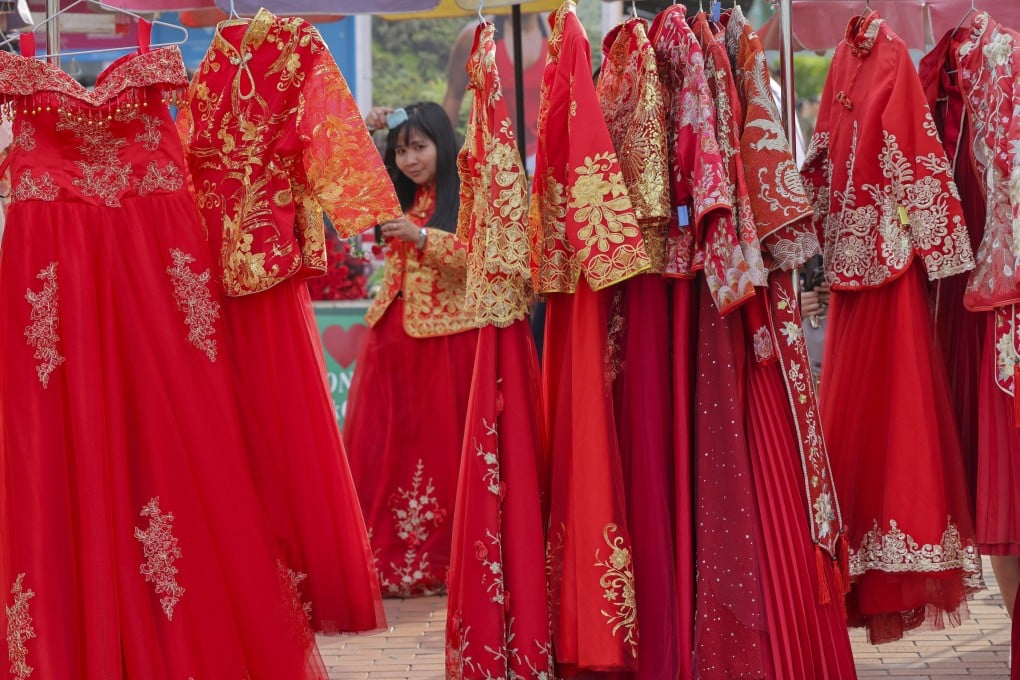
How Chinese wedding dresses are made, their symbolism and why some can cost US$13,000 | South China Morning Post

Spotting the Craftsmanship: Hand Embroidered qun kua/kwa (裙褂) and qipao (旗袍)

Hand embroidery is a true art form. In Malaysia, skilled artisans spend countless hours stitching every detail with precision and care. Hand embroidered qun kua/kwa (裙褂) and qipao (旗袍) often showcase a richer texture and depth, with unique variations that make each piece one-of-a-kind. These dresses are highly prized for their luxury and the cultural significance woven into every thread.

Machine Embroidery in qun kua/kwa (裙褂) and qipao (旗袍): Efficient and Beautiful

Modern brides who want the look of a traditional wedding dress with a contemporary touch often turn to machine embroidery. Machine embroidered qun kua/kwa (裙褂) and cheongsam can be crafted more quickly and at a more affordable price. While they may lack the artisanal flair of hand embroidery, they’re still stunning choices for Chinese weddings and cultural events in Malaysia, offering both beauty and practicality. Discover the best Cheongsam designs in Malaysia!

Key Differences Between Hand and Machine Embroidery in qun kua/kwa (裙褂) and qipao (旗袍)

So how can you tell the difference? Hand embroidered pieces have slight irregularities and a tactile feel that gives them character and authenticity. Machine embroidered designs, while precise and consistent, may feel flatter and less textured. Hand embroidery tends to be more expensive, while machine embroidery provides a more budget-friendly option without sacrificing style. In Malaysia, both choices are popular depending on your preferences and the significance of your wedding dress.

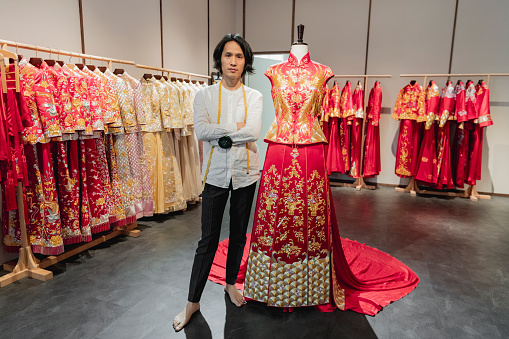
Traditional Chinese Wedding Dress Designer In His Studio Stock Photo - Download Image Now - iStock

How to Choose the Right qun kua/kwa (裙褂) or qipao (旗袍) for Your Chinese Wedding or Bridal Occasion in Malaysia

When choosing between hand or machine embroidered qun kua/kwa (裙褂) and qipao (旗袍), consider the nature of your event. For a grand traditional Chinese wedding, a hand embroidered piece can be a meaningful heirloom. For modern brides, a machine embroidered wedding dress or rental might strike the perfect balance between tradition and affordability. Think about how the embroidery aligns with your wedding theme and your personal style.

Elevate Your Look: Rental Tips and More for Embroidered qun kua/kwa (裙褂) and qipao (旗袍) in Malaysia

If purchasing a hand embroidered dress isn’t practical, consider renting. Many rental services in Malaysia offer beautiful embroidered qun kua/kwa (裙褂) and qipao (旗袍) options, whether you’re hosting a bridal event or a cultural gathering. Ensure the fit is perfect—whether traditional or modern, a well-fitted dress will help you feel elegant and confident. Don’t forget to ask about the history and craftsmanship of the pieces to deepen your connection with the culture.

Final Touch: Honoring Tradition and Personal Style

Choosing between hand and machine embroidered qun kua/kwa (裙褂) or qipao (旗袍) in Malaysia is about balancing tradition, practicality, and your unique bridal style. Whether you opt for the exquisite artistry of hand embroidery or the convenience of machine work, these traditional wedding dresses will bring beauty and cultural heritage to your big day. Get your dream wedding dress now from Liang Yuan!