
What manzilian and boyzilian waxing usually cover
Manzilian and boyzilian waxing are adult intimate waxing services that remove hair from the pubic region and, depending on the booking, surrounding areas such as the scrotum or peri-anal skin. Coverage varies by studio menu, so the appointment should begin with a clear map of what will and will not be waxed. Informational reading helps adults prepare; it is not a medical procedure guide and does not promise pain-free or permanent results.
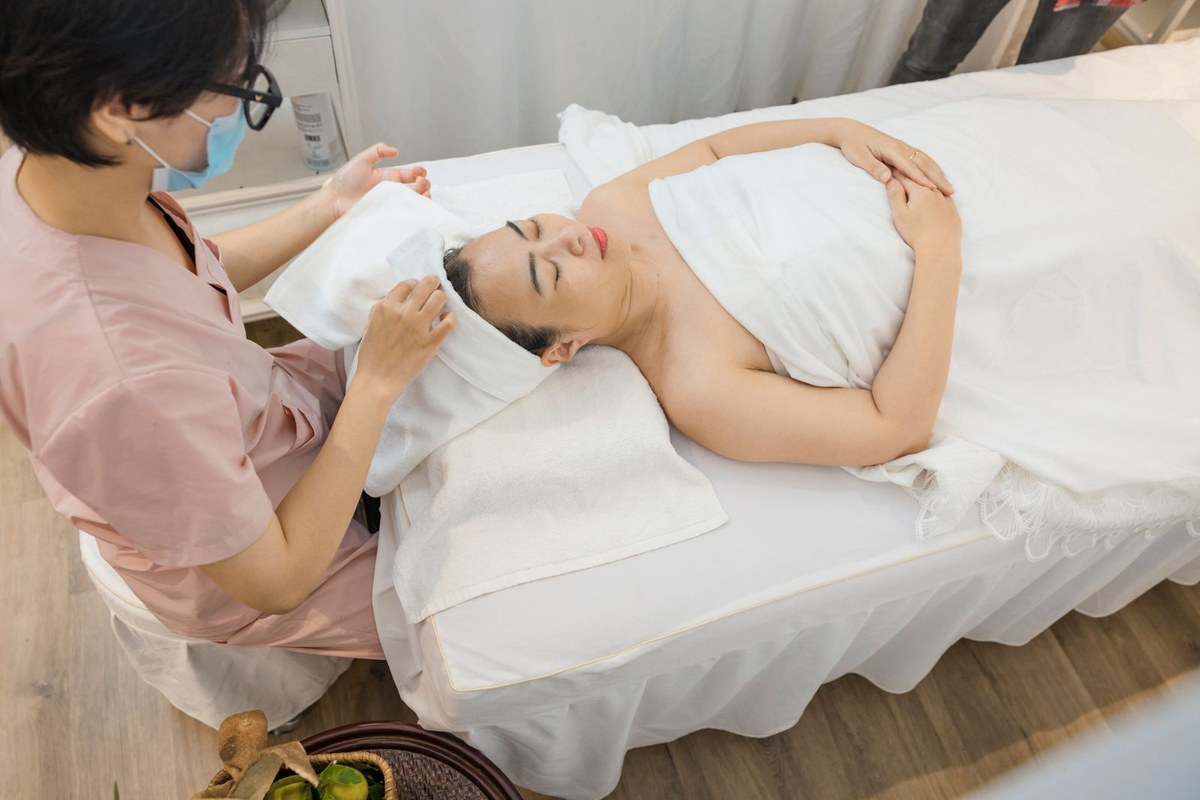
The American Academy of Dermatology publishes public advice on hair removal methods and skin irritation risks. NHS pages on hair removal and folliculitis explain common aftercare ideas in plain language. Those named sources, together with CDC hygiene guidance, help clients ask better hygiene and aftercare questions without treating social media clips as clinical advice.
Book only with studios that explain consent, draping, and who will be in the room. Intimate waxing is an adult service; pressure to add areas you did not request is a reason to pause.
Prep and aftercare that reduce irritation risk
Studios often ask clients to leave a few millimetres of hair length, avoid heavy moisturisers on the day, and skip recent sunburn or open wounds. Aftercare usually includes avoiding hot baths, tight synthetic underwear, and shared gym seating for a short window while follicles settle. Reading about manzilian wax menus should include the studio’s written aftercare sheet, not only price lists.
If you have a history of keloids, active infections, or isotretinoin use, tell the therapist before wax is applied. Over-the-counter numbing products can interact poorly with wax heat; ask before using them. Patch tests on a small area may be offered when you are new to a wax formula.
Wax versus laser for the same intimate area
Wax removes hair from the root for a temporary period; laser targets follicles over multiple sessions and is not suitable for every skin and hair colour combination. Intimate laser also requires different eye protection, cooling, and operator training. Pages on pubic hair removal may compare methods, but medical history still decides safety more than trend videos.
Neither method guarantees permanent smoothness for every person. Ingrown hairs can occur after both. Choose based on skin type, pain tolerance, budget, and how often you can attend sessions. If you have genital skin conditions, ask a clinician which method is less irritating for you.
Privacy and consent norms in a professional studio
Professional intimate waxing should include private rooms or screened areas, clear consent language, and the right to stop at any moment. Gloves, fresh wax applicators, and sanitised surfaces are baseline hygiene, not optional extras. A studio overview such as Bubble Gum Wax should make hygiene and privacy policies easy to find before you book.
You do not owe small talk about your body. Brief, clinical communication about pressure and boundaries is enough. If anyone records or photographs without consent, leave and report through appropriate channels. Bring a clean change of underwear and arrive hydrated so you are less lightheaded during longer sessions.
Choosing a first appointment without oversharing
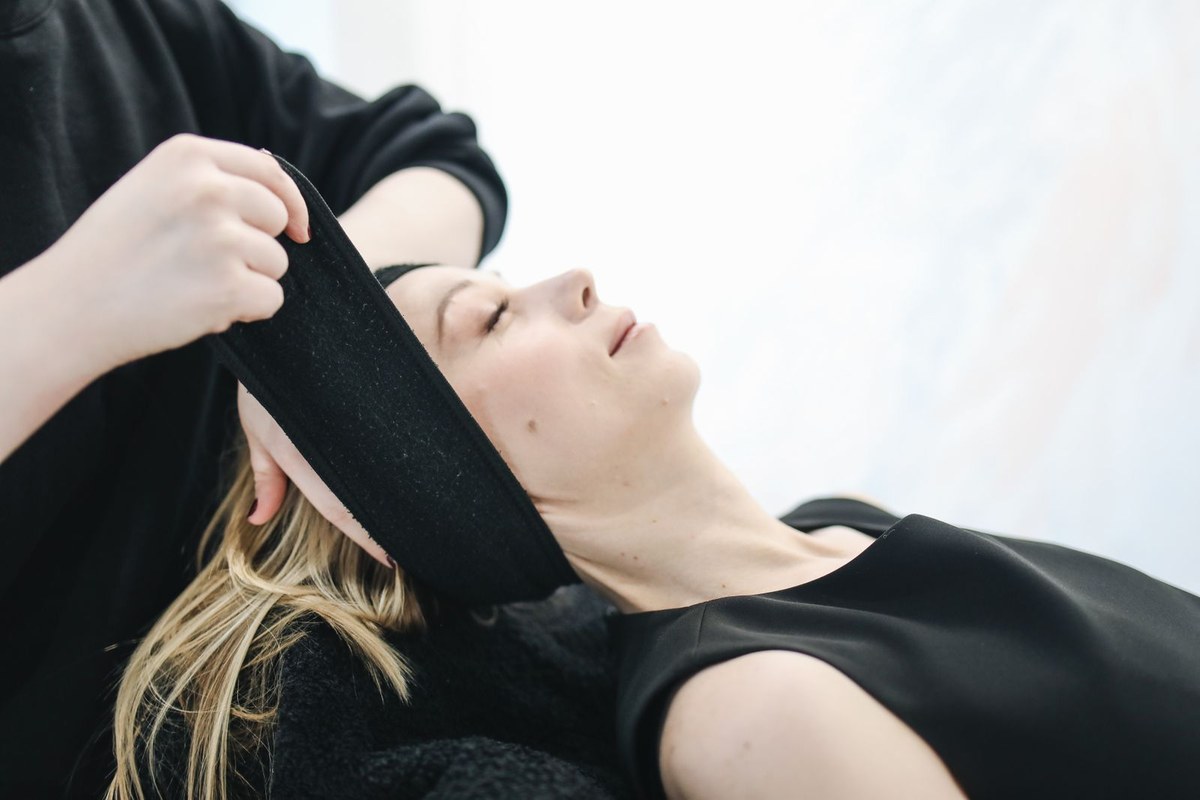
State the areas you want waxed, any skin allergies, and recent sun exposure. Ask about therapist gender preference if that matters to you, wax type, and expected session length. You do not need to explain personal relationships or sexual history to book a grooming service. After the session, follow the aftercare sheet and contact the studio if severe swelling, pus, or spreading redness appears. Persistent problems deserve clinical review rather than another wax on inflamed skin. Keep a simple note of products that irritated you so the next booking starts with clearer information.