
Smoke, heat and airflow are design problems before they are paperwork problems
In Singapore buildings, fire safety is not only about extinguishers on the wall. It is about how smoke moves through atriums, how heat builds in enclosed car parks, and whether a design still meets code after a late layout change. Computational fluid dynamics (CFD) is one way engineers test those questions on a computer before concrete is poured.
a Singapore note on airflow simulation for buildings is a useful entry point if you have only heard CFD mentioned in aerospace. The same numerical ideas are used to study smoke control, stair pressurisation and ventilation schemes that later appear in fire-safety submissions.
CFD is not magic. Mesh quality, boundary assumptions and which fire scenario you model all change the pictures that look so convincing in a slide deck. Ask what was simulated, not only whether a colourful plot exists.
What CFD actually answers in a fire brief
Designers use simulation to compare exhaust strategies, check whether smoke stays above escape routes long enough, and test alternative damper or fan arrangements. Those results feed engineering judgments that sit beside prescriptive code clauses. The National Fire Protection Association publishes widely referenced material on fire dynamics and protection systems that many practitioners use as background, even when local Singapore rules decide the final acceptance.

Building and construction regulators such as the Building and Construction Authority frame how buildings are approved in Singapore. Fire safety submissions then interact with civil defence requirements. Knowing which agency owns which stamp saves weeks of circular email chains.
A plain explainer of CFD as a virtual wind-tunnel style tool for comparing designs.
Certificates and renewals are a parallel track
Even a well modelled building still needs the right certificates on file. Owners and facility teams deal with application and renewal cycles that are easy to miss when the project team has already demobilised. A dedicated note on paperwork cycles after a building goes live is the sort of page operations staff bookmark after the consultants leave.
The Singapore Civil Defence Force sets the public face of fire safety regulation, certification expectations and many of the operational requirements building owners meet. Checking current SCDF guidance beats relying on a contractor’s memory of last year’s process.
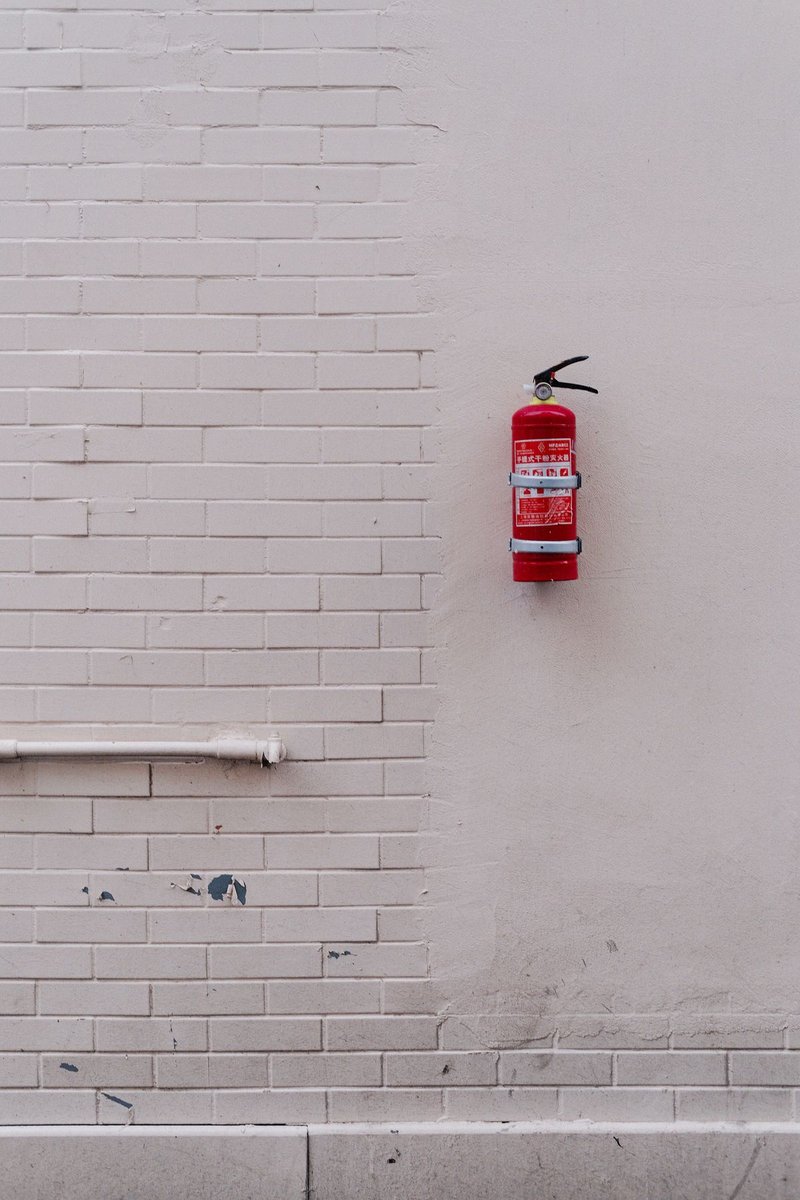
Fire protection consultants connect design to day-to-day readiness
CFD and certificates only help if someone owns the living system: detectors, sprinklers, smoke control equipment and the people who test them. Pages that describe fire safety manager style support services exist because buildings need routine competence, not only a one-off approval stamp.
When you interview a consultant, ask how they handle design changes after CFD is complete, who prepares renewal packs, and how findings are handed to the fire safety manager. Pretty plots without an owner on site are decoration.
Documentation habits matter as much as modelling skill. Keep versioned CFD reports, the architectural layout they were run against, and a short note of which comments from the authority were closed. When a tenant fit-out changes a smoke barrier years later, that folder is what stops a rushed redesign from starting from rumour.
Training for wardens and contractors should match the installed system, not a generic slide deck. If the building uses a particular smoke control sequence, drills ought to mention it. Certificates without practised people behind them are fragile on the day something beeps at 2 a.m.
Questions worth asking early
Which fire scenarios were modelled? What changed after the last architectural revision? When does the current fire certificate expire? Who holds the latest as-built drawings for the smoke control system? Write the answers into the project folder while people still remember them. Singapore’s fire safety regime rewards that kind of dull continuity.